Spring Pasta Primavera | Fresh Vegetable Pasta with Light Sauce

Spring Pasta Primavera is a delightful celebration of fresh, crisp vegetables and tender pasta, bringing vibrant colors and flavors to your table. This dish shines with the season’s best produce, creating a light yet satisfying meal that’s perfect for both weeknight dinners and special occasions. The balance of textures—from the al dente penne to the tender sautéed vegetables—pairs beautifully with a zesty lemon cream sauce that will keep you coming back for more. It’s a dish that not only warms the heart but also nourishes the body.
Table of Contents
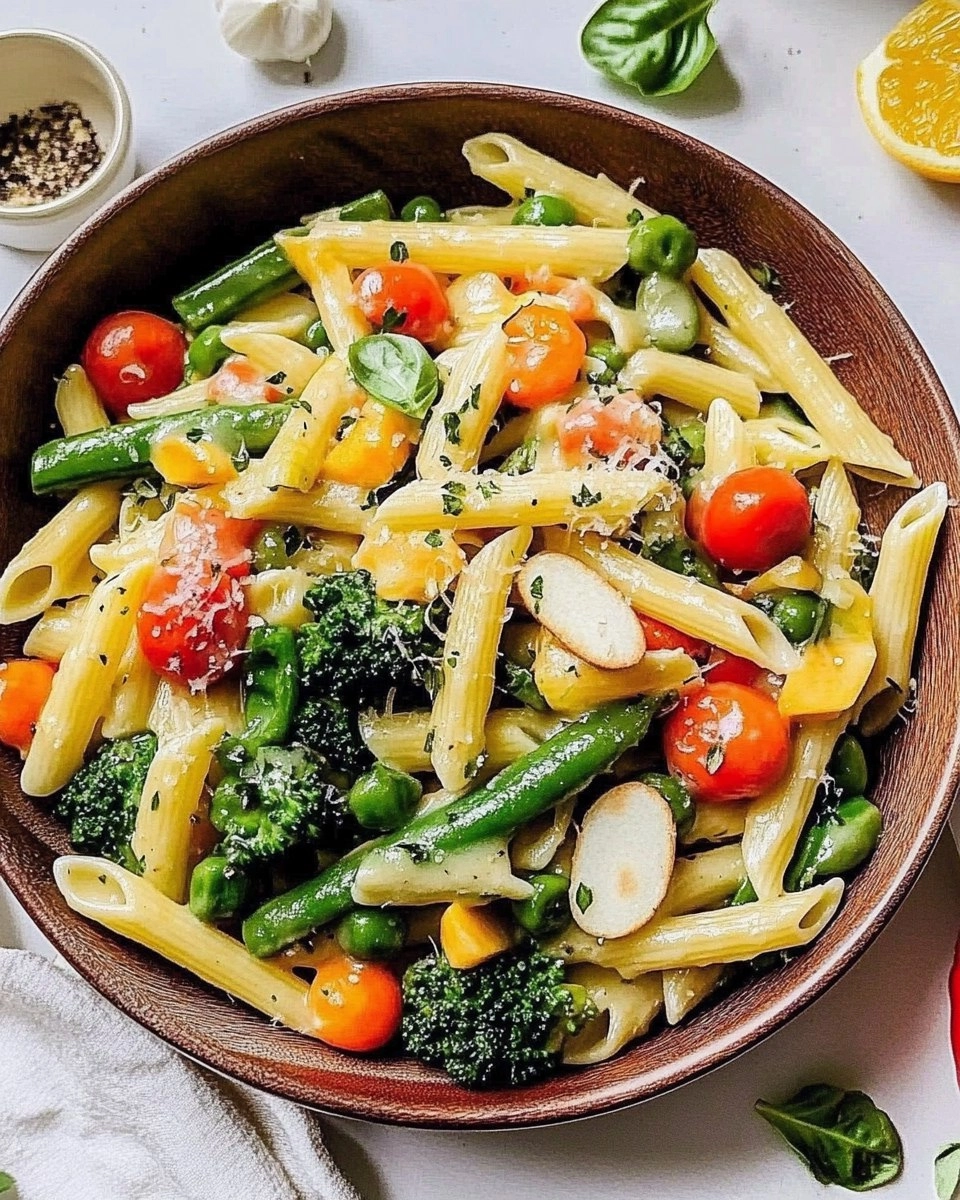
I first stumbled upon Pasta Primavera during a sunny spring soirée when my friends and I wanted something refreshing and full of life. The explosion of colors on the plate made my heart flutter, and with each bite, I fell deeper in love with the satisfying simplicity it offered. This recipe is not only easy to whip up, but it’s also budget-friendly and a total crowd-pleaser. Trust me when I say it’s a dish you’ll want to share with everyone you know!
Why You’ll Love This Recipe
- Simple & Quick: This fresh vegetable pasta comes together in just about 55 minutes—perfect for busy nights.
- Irresistible Flavor: Each bite bursts with a medley of savory and zesty notes from the veggies and lemon.
- Eye-Catching Appeal: With its colorful vegetables and creamy sauce, this dish is as beautiful as it is delicious.
- Flexible Serving: Great for lunch, dinner, or even a potluck; it suits any occasion.
- Diet-Friendly Options: Easily adaptable for vegetarian diets, and can be made gluten-free with the right pasta substitution.
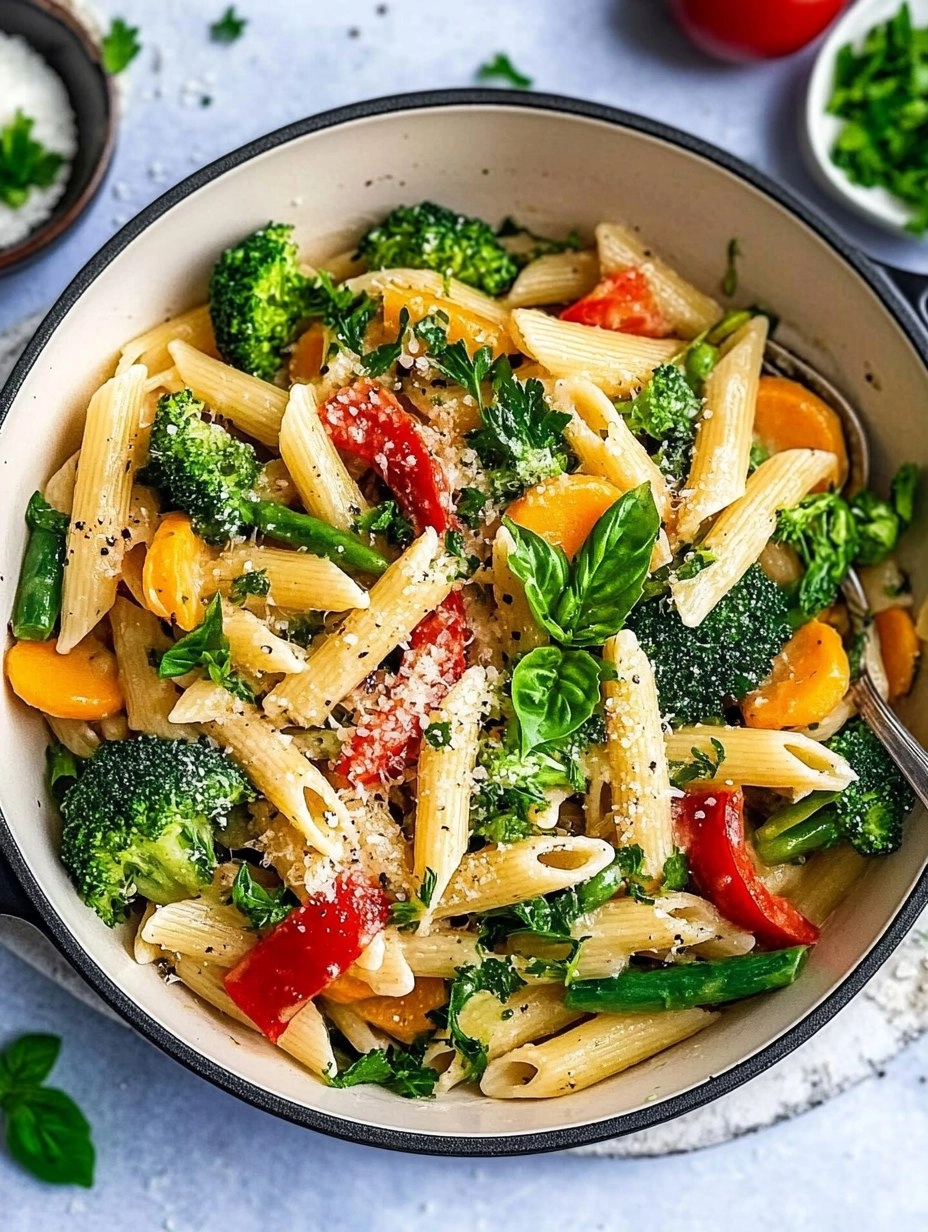
Ingredients You’ll Need
- 16 oz penne pasta: This pasta shape holds sauce well and complements the vegetables perfectly.
- 1 tablespoon olive oil: For sautéing the veggies. Feel free to substitute with avocado oil for a milder flavor.
- 8 oz asparagus, cut into 1 ½-inch pieces: Adds a lovely crunch and green color; can be swapped with green beans.
- 1 yellow bell pepper, cut into 1 ½-inch pieces: Sweet and vibrant. Red or orange bell peppers work too for a sweeter taste.
- 2 cups small broccoli florets: These add great texture; try cauliflower if you prefer a different taste.
- 1 small zucchini, chopped: Zucchini’s mildness makes it a great addition; yellow squash can be used as an alternative.
- Salt and black pepper to taste: Essential seasonings; adjust them based on your preference.
- 2 tablespoons unsalted butter: Creates a rich base for the sauce; use olive oil for a dairy-free alternative.
- 1 shallot, minced: Lends a subtle sweetness and aromatic flavor; onions are a good substitute if shallots aren’t available.
- 4 garlic cloves, minced: Garlic elevates the flavor profile; minced garlic in a jar can be a timesaver.
- Zest of 1 lemon: Brings brightness and depth; lemon juice can be swapped if you prefer a stronger tang.
- Dash crushed red pepper flakes: A pinch adds a nice heat; adjust to your liking or omit for a milder dish.
- 1 cup vegetable broth: For adding flavor; chicken broth can be used for a deeper taste.
- ½ cup heavy cream: To create a rich, creamy sauce; substitute with coconut cream for a dairy-free option.
- 3 tablespoons lemon juice, divided: Fresh juice enhances the flavor; substitute bottled if necessary, though fresh is best!
- 1 cup frozen peas: Sweet and green, they add nutrition; fresh peas work too if in season.
- ½ cup shredded Parmesan cheese: For a salty, nutty finish; vegan cheese shreds are a great alternative.
- 1 ½ cups halved grape tomatoes: Juicy and sweet, they balance the richness of the sauce; use cherry tomatoes for a similar effect.
- ¼ cup chopped basil: Fresh basil adds a fragrant touch; feel free to use parsley for a different herbaceous flavor.
- 2 tablespoons Italian parsley, for garnish: This brightens the dish; basil or cilantro could work too.
- Extra Parmesan cheese, for garnish: A sprinkle on top makes it extra special.
- Crushed red pepper flakes, for garnish: Adding a hint of heat on top makes it visually appealing.
How to Make Spring Pasta Primavera | Fresh Vegetable Pasta with Light Sauce
Boil the Pasta: Start by bringing a large pot of water to a rolling boil. Add a generous pinch of salt and 16 oz penne pasta to the boiling water. Cook the pasta for about 11 minutes, stirring occasionally, until tender yet al dente; it should have a slight bite. Drain well and pour the pasta back into the pot.
Sauté the Vegetables: While the pasta cooks, heat 1 tablespoon olive oil in a large skillet over medium-high heat. Add the asparagus, yellow bell pepper, and broccoli, sautéing for about 2 to 3 minutes until they just begin to soften but maintain their crispness. Next, incorporate 1 small chopped zucchini and continue to cook for another 1 to 2 minutes. Season the veggies with salt and pepper to taste, then transfer them to a large plate or bowl.
Prepare the Sauce: In the same skillet, melt 2 tablespoons unsalted butter over medium heat. Add 1 minced shallot and 4 minced garlic cloves, cooking for about 2 minutes until fragrant and slightly softened. Stir in the zest of 1 lemon and 1 cup vegetable broth, simmering for about 4 to 5 minutes or until the broth reduces by half. Then, stir in ½ cup heavy cream and reduce the heat slightly.
Combine Ingredients: Return to the pot with the drained pasta and stir in 1 cup frozen peas, followed by the sautéed vegetables you set aside earlier. Pour the luscious lemon cream sauce over all the ingredients, and stir until everything is well-coated. Add ½ cup shredded Parmesan cheese along with the remaining 2 tablespoons of lemon juice, lightly folding in 1 ½ cups halved grape tomatoes and ¼ cup chopped basil, and adjusting seasonings with salt and pepper if necessary.
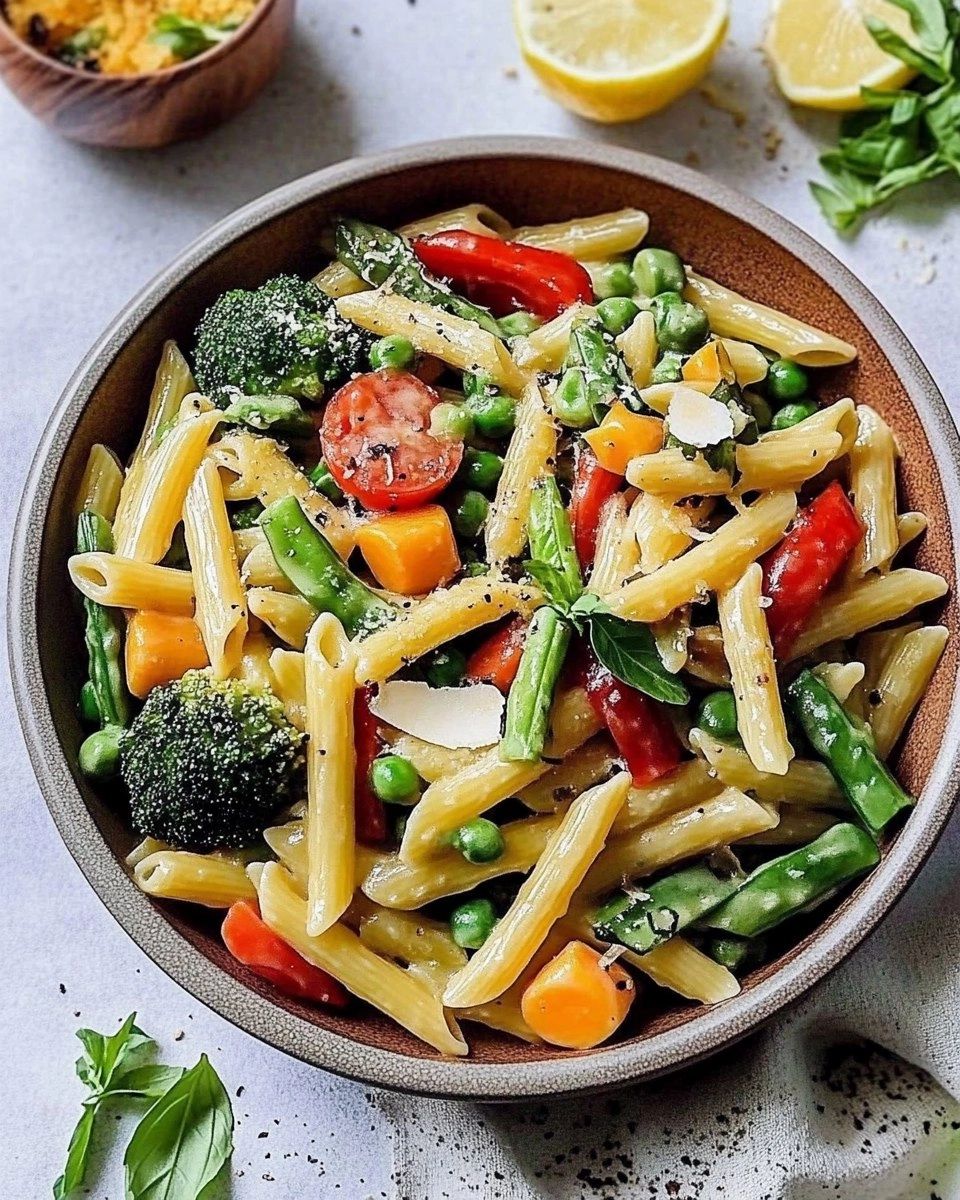
Serve: Pour the Spring Pasta Primavera into a large serving bowl or dish. Garnish with 2 tablespoons of chopped parsley, extra Parmesan cheese, and a sprinkle of crushed red pepper flakes for those who enjoy a bit of heat. Serve immediately and soak in the colorful presentation!
Storing & Reheating
To store Spring Pasta Primavera, let it cool to room temperature before transferring it to an airtight container. It will keep well in the fridge for up to 3 days. For longer storage, you can freeze it for up to 3 months. To reheat, simply thaw in the refrigerator overnight if frozen, then warm it up in a skillet over medium heat, adding a splash of vegetable broth or cream to refresh the texture and bring back the creaminess. Enjoy, but note that while the flavors will still be delicious, the vegetables may lose a bit of their crunch upon reheating.
Chef’s Helpful Tips
- Avoid overcooking the veg; aim for vibrant colors and a slight crispness!
- Make sure your ingredients are prepped before you start cooking; it streamlines the process.
- Adjust the acidity by tasting the sauce before adding all the lemon juice; you want balance!
- For a flavorful punch, try adding other fresh herbs like thyme or dill along with the basil.
- If prepping ahead, keep the sauce and pasta separate until you’re ready to serve to retain freshness.
Spring Pasta Primavera offers a fantastic way to enjoy seasonal vegetables in a light yet creamy dish that pleases both the palate and the eye. It’s versatile enough to adjust based on what you have on hand, so don’t shy away from making your own spin on it! Experiment with different herbs or veggies—this dish welcomes your creativity. I can’t wait for you to bring this colorful, comforting dish to your table.
Recipe FAQs
Can I make this dish ahead of time?
Yes, you can prepare the different components ahead of time—cook the pasta, sauté the veggies, and make the sauce. Keep them separately stored in airtight containers in the fridge. Assemble and warm them together when you’re ready to serve for a quick dinner solution!
What can I use instead of heavy cream?
If you prefer a lighter option, you can substitute heavy cream with half-and-half or even a coconut or cashew cream for a dairy-free version. Keep in mind that this will alter the flavor slightly and the thickness of the sauce.
Can I use frozen vegetables?
Absolutely! Frozen vegetables are a convenient option. Just remember to thaw and drain any excess water before adding them to the dish, as frozen vegetables can release moisture when cooked.
What other vegetables can I add?
The beauty of Pasta Primavera is its versatility! You can easily add bell peppers, carrots, or even spin on seasonal veggies like spinach or artichokes. Feel free to get creative with what you love or have on hand!
PrintMore Main Dishes Recipes
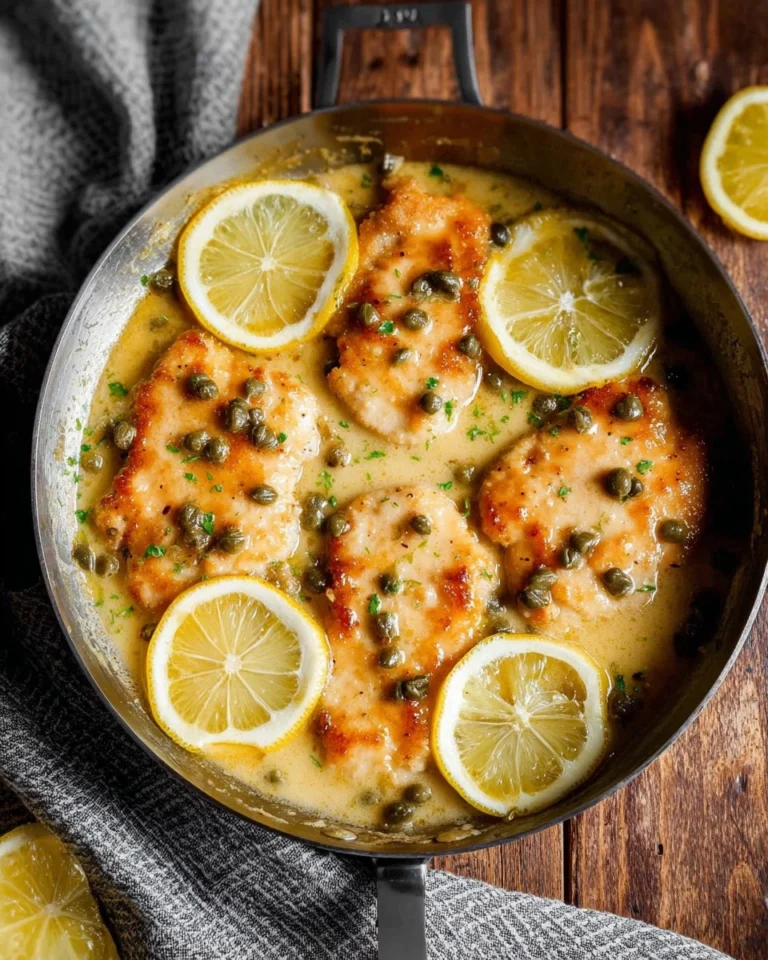
- Easy Lemon Chicken Piccata (One Skillet, Paleo, Whole30, Gluten Free)
- Classic Creamy Coleslaw (Better Than Deli-Style)
- Creamed Cabbage | Easy Irish Side Dish
- 30-Minute Baked Lemon Chicken Meatballs
- Boxty | Irish Potato Pancakes (Crispy and Delicious)
Did You Enjoy Making This Recipe? Please rate this recipe with ⭐⭐⭐⭐⭐ or leave a comment.
📖 Recipe Card
Spring Pasta Primavera | Fresh Vegetable Pasta with Light Sauce
- Prep Time: 20 minutes
- Cook Time: 35 minutes
- Total Time: 55 minutes
- Yield: 8 servings 1x
- Category: Main Dishes
- Method: Stovetop
- Cuisine: Italian
Description
This Spring Pasta Primavera is a delightful mix of fresh vegetables in a light sauce, making it a perfect choice for a quick and healthy meal. With vibrant flavors from asparagus, bell peppers, and a touch of cream, this dish is both comforting and satisfying.
Ingredients
- 16 oz penne pasta
- 1 tablespoon olive oil
- 8 oz asparagus, cut into 1 ½-inch pieces
- 1 yellow bell pepper, cut into 1 ½-inch pieces
- 2 cups small broccoli florets
- 1 small zucchini, chopped
- 1 teaspoon salt and black pepper to taste
- 2 tablespoons unsalted butter
- 1 shallot, minced
- 4 garlic cloves, minced
- zest of 1 lemon
- dash crushed red pepper flakes
- 1 cup vegetable broth
- ½ cup heavy cream
- 3 tablespoon lemon juice, divided
- 1 cup frozen peas
- ½ cup shredded parmesan cheese
- 1 ½ cups halved grape tomatoes
- ¼ cup chopped basil
- 2 tablespoons italian parsley, for garnish
- extra parmesan cheese, for garnish
- crushed red pepper flakes, for garnish
Instructions
- Bring a large pot of water to a boil. Add salt and penne pasta; cook for 11 minutes, stirring occasionally. Drain and return to the pot.
- In a large skillet, heat olive oil over medium-high heat. Sauté asparagus, bell pepper, and broccoli for 2-3 minutes. Add zucchini and cook for 1-2 minutes until vegetables are crisp-tender. Season with salt and pepper, then transfer to a plate.
- Melt butter in the same skillet over medium heat. Cook shallot and garlic for 2 minutes, then stir in lemon zest and vegetable broth. Simmer for about 4-5 minutes until broth reduces by half. Add heavy cream and 2 tablespoons lemon juice.
- Stir peas into the pasta pot, followed by the sautéed vegetables. Pour lemon cream sauce over the mixture and combine well. Stir in parmesan cheese and the last tablespoon of lemon juice, then gently add tomatoes and basil. Season with salt and pepper.
- Transfer pasta primavera to a large serving bowl. Garnish with parsley, extra parmesan cheese, and crushed red pepper flakes. Serve warm.
Notes
For added flavor, consider using fresh herbs other than basil.
Feel free to incorporate any seasonal vegetables you have on hand.
This dish pairs well with a side salad for a complete meal.
Nutrition
- Serving Size: 1 serving
- Calories: 450
- Sugar: 5g
- Sodium: 300mg
- Fat: 20g
- Saturated Fat: 10g
- Unsaturated Fat: 5g
- Trans Fat: 0g
- Carbohydrates: 55g
- Fiber: 5g
- Protein: 12g
- Cholesterol: 35mg